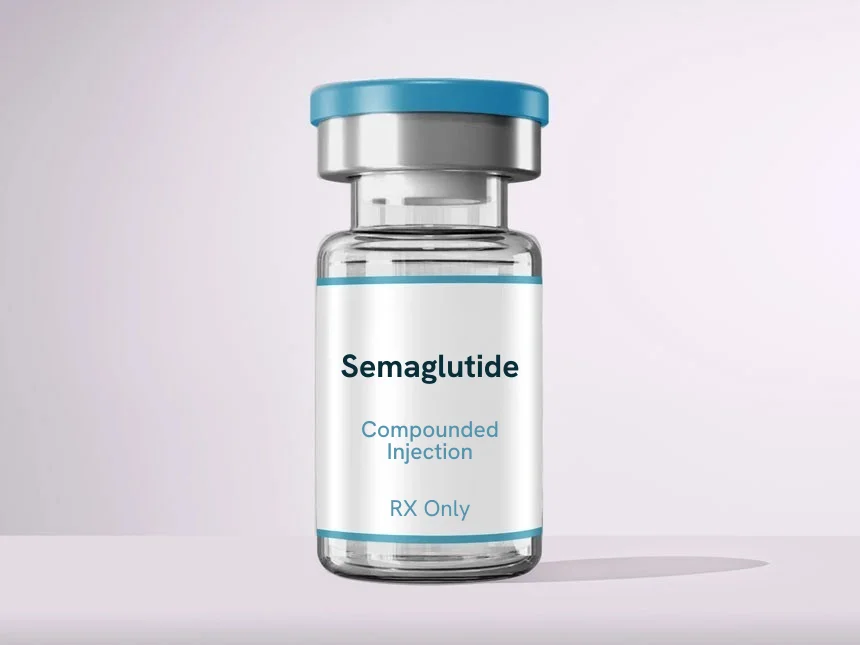
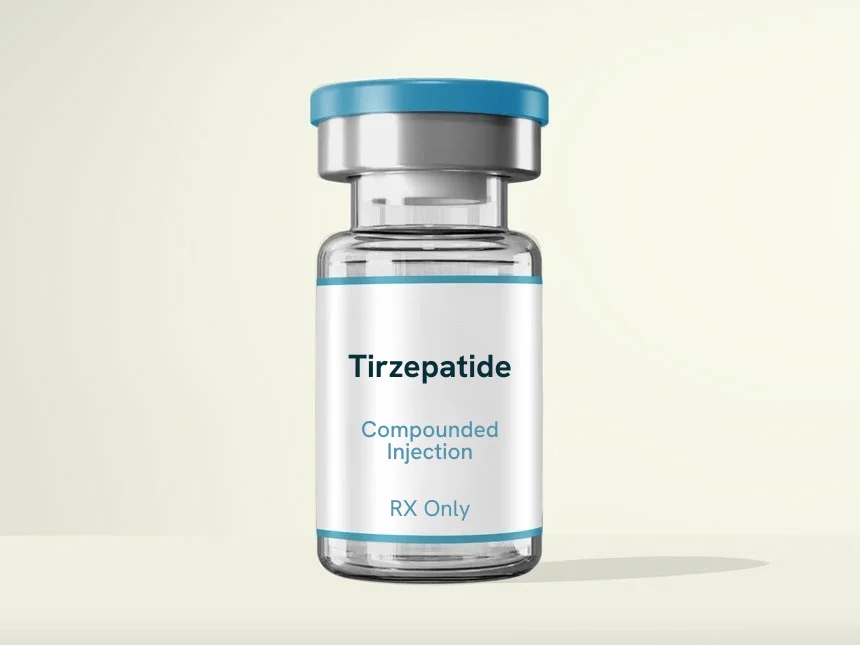






Standard GLP-1 dosing schedules were created for clinical trials. These protocols typically escalate the medication every four weeks and assume all patients reach the maximum dose. In real-world settings, this approach can sometimes lead to unnecessary side effects, medication intolerance, plateaus, and difficulty maintaining results.
Microdosing GLP-1 medications like semaglutide and tirzepatide offers an alternative approach that many patients tolerate better and sustain more easily over time.
Limitations of Standard Dose Escalation: Why It Can Lead to Plateaus
Typical clinical protocols increase doses every four weeks:
- Semaglutide: 0.25 → 0.5 → 1.0 → 1.7 → 2.4 mg
- Tirzepatide: 2.5 → 5 → 7.5 → 10 → 12.5 → 15 mg
But automatic escalation can sometimes result in:
- Nausea, fatigue, and GI discomfort
- Excessive appetite suppression
- Early weight-loss plateaus
- Rebound hunger when reducing the dose
- Nowhere to go once you’ve hit the max
These challenges indicate that the highest dose is not always the most effective dose.
What Is GLP-1 Microdosing: The Low-Dose GLP-1 Method
Microdosing GLP-1 involves beginning with the standard starting dose but increasing only when clinically necessary, not automatically. The decision to adjust the dose is based on a patient’s appetite regulation, food chatter, and ability to follow nutrition, fasting, and exercise plans.
The goal is to identify a lowest effective dose that allows individuals to:
- Manage cravings
- Maintain structured eating habits
- Support fasting or time-restricted eating
- Continue resistance training and preserve lean mass
- Maintain natural and healthy hunger cues
Research and clinical observations show that many patients respond well to significantly lower doses than those outlined in standard escalation schedules.
Why Microdosing GLP-1 Can Be More Effective
GLP-1 medications don’t work like a one-size-fits-all prescription. The receptors sometimes respond best to steady, moderate activation, not aggressive dosing.
Think of it like upgrading your sound system:
- Weak speakers (poor metabolic baseline, high insulin resistance) require high volume.
- Once you improve the “wiring” (nutrition, exercise, metabolic health), the “speakers” perform beautifully even at low volume.
In this analogy:
Medication is the “volume knob.” Lifestyle is the “speaker upgrade.” Better speakers mean you don’t need higher volume.
How to Know When to Increase Your GLP-1 Dose
A minimum of four weeks is recommended before making adjustments. This gives time for side effects to settle and the body to adapt. After at least four weeks, ask yourself:
Is my food chatter manageable?
You should be able to:
- Stick with clean eating
- Follow fasting and nutrition plans
- Manage cravings
- Avoid obsessive thoughts about food
If that feels overwhelming — even with consistent healthy habits — a dose increase may be warranted.
But don’t chase:
- Zero hunger
- No food thoughts
- Appetite so suppressed you struggle to eat
These are signs the dose is too high.
Why Weight-Loss Plateaus Happen and How Microdosing Fixes Them
Plateaus are often caused by metabolic slowdown, not inadequate medication. Signs include fatigue, feeling cold, brain fog, constipation, and difficulty exercising.
Increasing your dose in this state typically worsens metabolic suppression.
A metabolic reset, sometimes including a temporary calorie increase to restore metabolic flexibility is often a more effective approach. Weight loss frequently resumes quickly once energy intake stabilizes.
Can I Switch to Microdosing If I’m Already on a High GLP-1 Dose?
Yes! Patients who are already at the highest GLP-1 doses often benefit from a medication reset protocol:
- Gradual taper (about 3 weeks)
- Time off medication (about 3 weeks)
- Restart at a significantly lower dose
- Reinforce metabolic-health habits such as improved nutrition, strength training, and healthy eating patterns
Following this protocol, we consistently see:
- Lower doses work again
- Side effects drop
- Appetite stabilizes
- Weight loss restarts
- Patients feel in control again
Microdosing GLP-1 for Maintenance
Microdosing becomes especially powerful once patients reach their goal weight and their metabolic markers improve (fasting insulin, C-peptide, inflammation, appetite cues, emotional regulation around food).
Maintenance typically involves:
- Reducing fasting frequency
- Gradual dose tapering
- Identifying a minimal effective maintenance dose
Some patients stay on microdoses long-term; others transition off completely.
How Microdosing GLP-1 Can Create Better Long-Term Results
The core principle behind microdosing is simple: Use the lowest dose that supports sustainable behavior change.
This personalized strategy leads to:
- Fewer side effects
- Better metabolic health
- More consistent weight maintenance
- Lower reliance on medication
The Bottom Line
Microdosing GLP-1 offers a thoughtful, personalized alternative to standard dosing schedules. By focusing on the lowest effective dose, individuals can reduce side effects, avoid plateaus, and build lasting metabolic health.
At Elite Health Center NYC, we believe in personalized dosing – because no two bodies are the same. If you’re ready for a GLP-1 program that prioritizes your health, comfort, and long-term success, we can build a plan tailored to your specific needs.